Superdry co-founder on rebranding for consumers
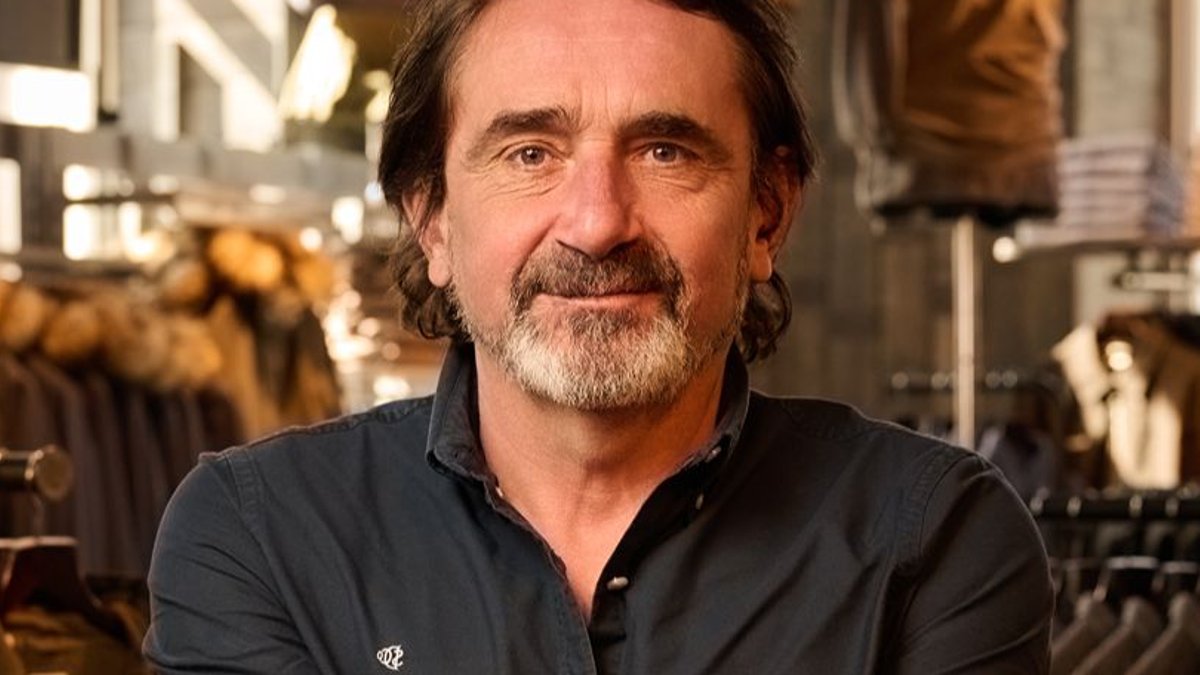
Superdry & Co co-founder Julian Dunkerton stated the company is returning to physical retail and a curated selection of heritage brands, a model that drove its initial success.
Dunkerton explained the strategy marks a departure from recent industry trends. He compared it to Superdry’s early days, which emerged from Cult Clothing, another business he founded.
Controlled retail as a competitive edge
Dunkerton’s plan focuses on a tightly managed retail environment where each brand serves a specific purpose. Under the Superdry & Co umbrella, the company has relaunched Bench and is developing Kappa with a women-first approach. Stan Ray, an American workwear brand, will soon join the group.
He said the strategy fills a gap in the market. The decline of wholesale and independent retailers has created an opportunity to combine brand expertise with direct control over production and store experience.
Related: Digital housing services lack public trust
The first Kappa x Superdry & Co collection will launch in Spring/Summer 2027. Outlets are a central part of the plan, with recent openings at Caledonia Park in the UK and a Designer Outlet in Luxembourg. Dunkerton described them as essential, noting they strengthen brand identity in ways full-price sales no longer do.
Superdry & Co has eliminated sales in its full-price stores, making outlets the main channel for discounted stock. Dunkerton linked the decision to brand value, a principle he said was weakened during his previous absence. “I’m rebuilding it because I understand how to create it,” he said. “You either build brands or exploit them. I build them.”
The approach extends to distribution. Some wholesalers are shifting to concessions, and franchise partners are moving toward stock-controlled agreements. Dunkerton said this prevents price conflicts that occur when third parties undercut each other. “If I control the brand, no one can undercut it online,” he said.
A portfolio built on distinct identities
Dunkerton stressed each brand must have its own space without internal competition. Bench, for example, targets the activewear market. Stan Ray will be the group’s sole American workwear brand.
“I’ll only add brands that don’t overlap,” he said. The portfolio may expand, with potential additions in surfwear and other categories. Dunkerton suggested the group could eventually include about eight brands to support Superdry, framing the growth as a way to improve customer experience rather than just increasing size.
Related: Most crypto ads break FCA rules
Dunkerton noted the shift toward women’s fashion is intentional. “With Kappa, we’re starting with women first, then men,” he said.
Store design plays a key role in the repositioning. Dunkerton said new locations are exceeding expectations, with refits and openings showcasing the company’s evolution. “Stores are the easiest way to show consumers we’ve changed,” he said. “It’s rewarding.”
He rejected the idea that the strategy relies on nostalgia, even as heritage brands like Bench feature prominently. Instead, he described it as a rebuild centered on control, brand value, and a store-led experience. “People respond to exciting, innovative products,” he said. “Most malls feel generic. We’re offering something different for younger shoppers.”
The approach differs from the broader retail trend of expanding through third-party labels. By maintaining strict control over distribution and store environments, Superdry & Co aims to provide a curated alternative to the homogenized high street.

Specsavers profits rise as dividends return


