AI Trust in C-Stores Relies on Transparency and Humans
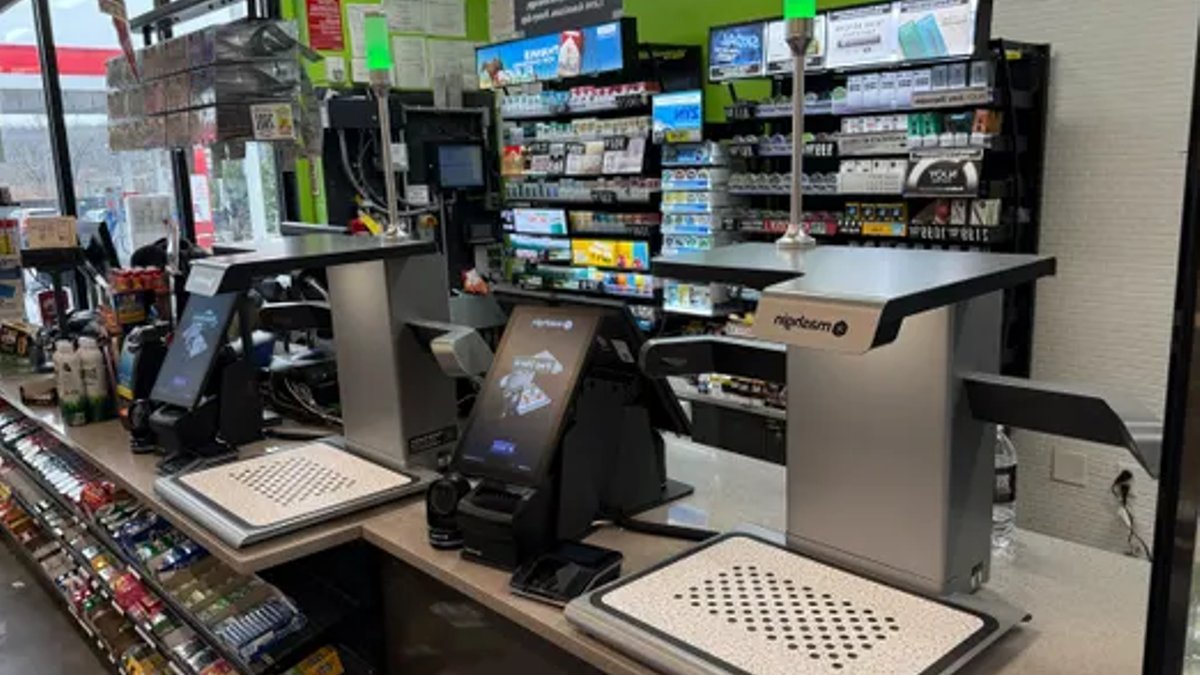
Convenience store shoppers show openness to artificial intelligence while maintaining clear concerns about its implementation, according to data from PAR Technology. The company’s recent report presents three key statistics that reveal how consumers evaluate AI integrations in retail settings.
Consumer Trust in C-Store AI Depends on Transparency
Transparency emerged as the leading factor for building trust in AI use, with 40% of all shoppers and 61% of Gen Z consumers identifying it as the most important approach. This preference for openness reflects growing awareness of how technology collects and uses personal data in everyday environments.
When asked where AI would provide the greatest value in stores, respondents overwhelmingly selected faster checkout at 55%. This choice aligns with prior exposure to self-checkout kiosks, which 60% of shoppers reported seeing, and automated checkout systems at 39%. Keeping products in stock ranked second at 39%, while better loyalty rewards followed at 37%.
Privacy Concerns in Personalized Recommendations
Personalized loyalty programs based on purchase history received cautious approval, with over half of respondents trusting AI to recommend deals using that data. However, introducing location and travel pattern information significantly reduced comfort levels. Only 25% said they would be excited by such recommendations, while 31% expressed discomfort.
The report noted that customers distinguish between data they willingly provide for benefits and information gathered through passive tracking. “A loyalty-app coupon uses information customers already gave the store on purpose, in exchange for a clear benefit,” the report stated. “A recommendation built from where someone’s been driving feels like AI reaching for information they didn’t hand over willingly.”
Human Interaction Remains Essential
Despite interest in automation, consumers draw clear lines about its limits. Only 8% believe stores can never be too automated. The majority, 50%, consider a store too automated if they cannot easily reach a real employee, while 46% see problems when there are very few employees present. Human availability ranked as the second most important factor for building trust in AI, following transparency.

U.S. holiday online sales expected to hit record highs


