Inflation reshapes grocery shopping again
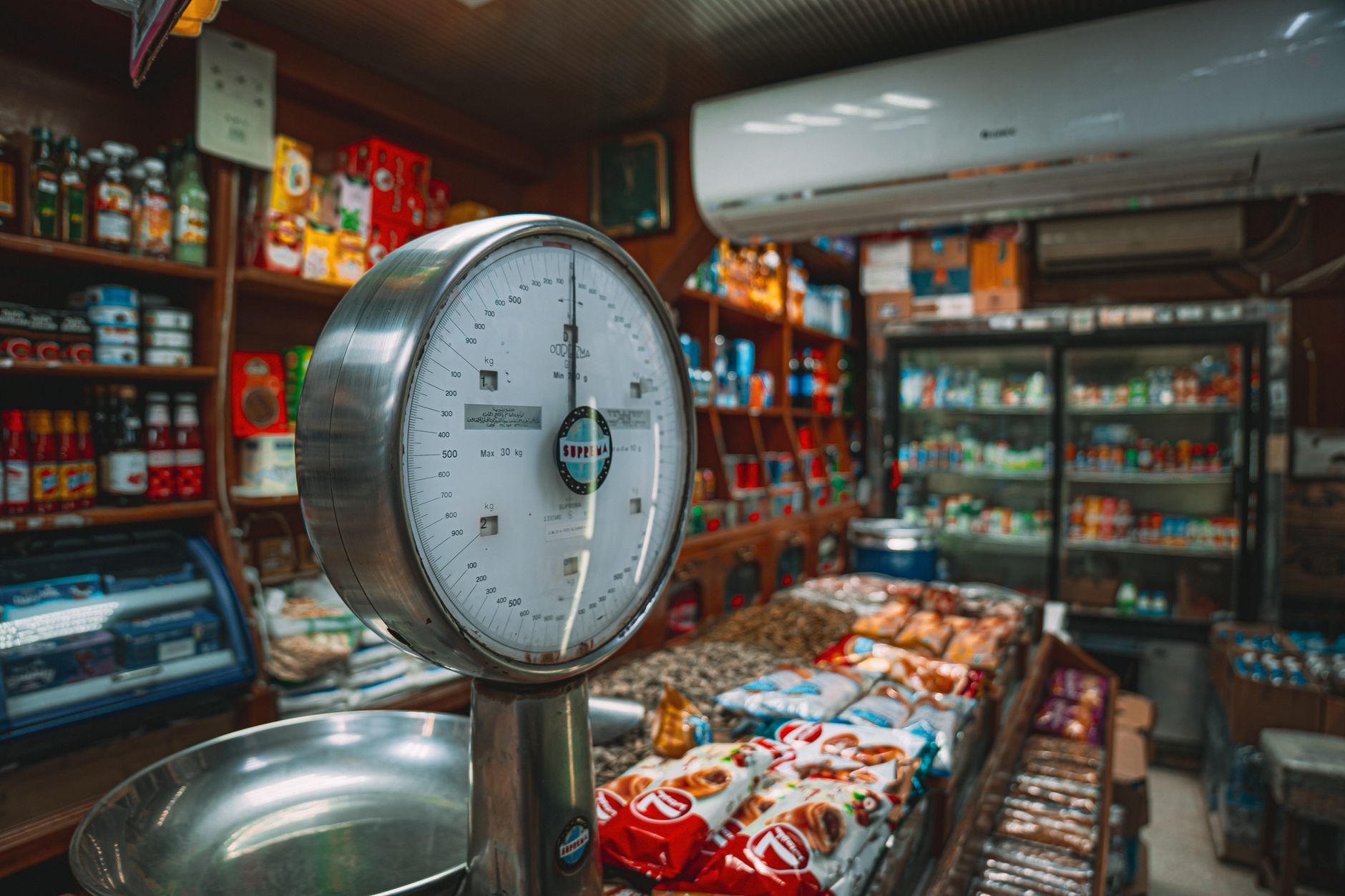
Inflation is changing grocery shopping again, and the shift may be permanent. According to a recent analysis of consumer behavior and industry trends, households that adjusted their spending habits during the last period of high prices have not returned to their old routines. Even as some costs stabilized, shoppers kept buying differently. The study, based on earnings calls and retailer comments, suggests that grocers are preparing for another difficult stretch as energy costs and commodity prices rise again.
Most operators know the drill. Merchants revise promotional plans. Procurement teams start talking to suppliers. Finance leaders run pricing scenarios. But it raises a more fundamental point: if consumers have changed how they judge value, retailers must reconsider defining it the same way.
What value means to shoppers now
For decades, value meant price. Weekly circulars, sharp discounts, and competitive shelf tags were the main tools. Those still matter. But it argues that today’s shoppers are making a more holistic calculation every time they walk into a store or open a grocery app.
Price still matters.
But so does confidence. Shoppers want to feel sure that products are worth the money, that loyalty programs reward them in meaningful ways, and that the retailer is helping them make smarter decisions — not just handing out another coupon. That shift, the research says, may be one of the most important changes to come out of the recent inflation cycle.
For grocery retailers, the change in consumer behavior is not a short-term problem. Past inflationary periods have shown that habits formed under financial pressure often stick around long after prices ease. That means stores cannot simply wait for shoppers to start spending the way they used to. They have to adapt their definition of value to match what customers now expect.
Private brands and loyalty programs as trust signals
Private labels show how this evolution works.
Years ago, store brands were mostly seen as cheap alternatives during tough times. Now many retailers have invested in quality, packaging, and innovation to the point where consumers seek them out regardless of the economy. It notes that private label has moved from a margin strategy to a clear expression of a retailer’s brand promise. When customers trust the store’s own products, they are trusting the store itself.
Related: Tips To Measure and Improve Your Web Hosting Server Speed
Loyalty programs have gone through the same transformation. Programs that once focused almost entirely on discounts have become broader engagement platforms. Personalized offers, fuel rewards, digital experiences, meal ideas, and exclusive member benefits all shape how shoppers define worth. Stores that understand their customers well can create experiences that go beyond transactional savings, strengthening long-term relationships.
Listening to recent quarterly earnings calls, a common theme emerges. Buyers are more intentional with every purchase. They respond aggressively to promotions, compare pack sizes, and make careful tradeoffs across categories. That does not mean they are spending dramatically less. It means they ask more questions before buying, and stores should ask more questions about how to respond.
Data and AI in a more complicated market
That is where data becomes important. Inflation does not hit every household the same way. Some buyers trade down immediately. Others protect spending in categories they care about most. Some want personalized promotions. Others want reassurance that they are shopping at a trusted store. Understanding those differences lets stores compete with more precision than broad promotional strategies allow.
Artificial intelligence has a role to play, though not necessarily in the way the industry often talks about it. The research suggests that rather than replacing merchant experience or customer intuition, AI should help stores spot changes in behavior sooner, identify opportunities faster, and make better pricing, merchandising, and marketing decisions with more confidence. Grocers that combine experienced operators with better intelligence will almost always outperform those relying on either one alone.
Every period of inflation creates winners and losers.
History suggests those outcomes are rarely decided by price alone. Stores that come out stronger are usually the ones that adapt their definition of worth alongside changing consumer expectations. Competitive pricing remains part of the equation, but it now sits next to trusted private brands, strong fresh departments, meaningful loyalty experiences, relevant personalization, and a shopping experience that earns confidence.
Those are the conversations the industry should be having now, before the next round of cost increases fully reaches the shelf.

Grocery unit sales fall to new low


