Aldi plans £300m upgrade for 25 UK stores
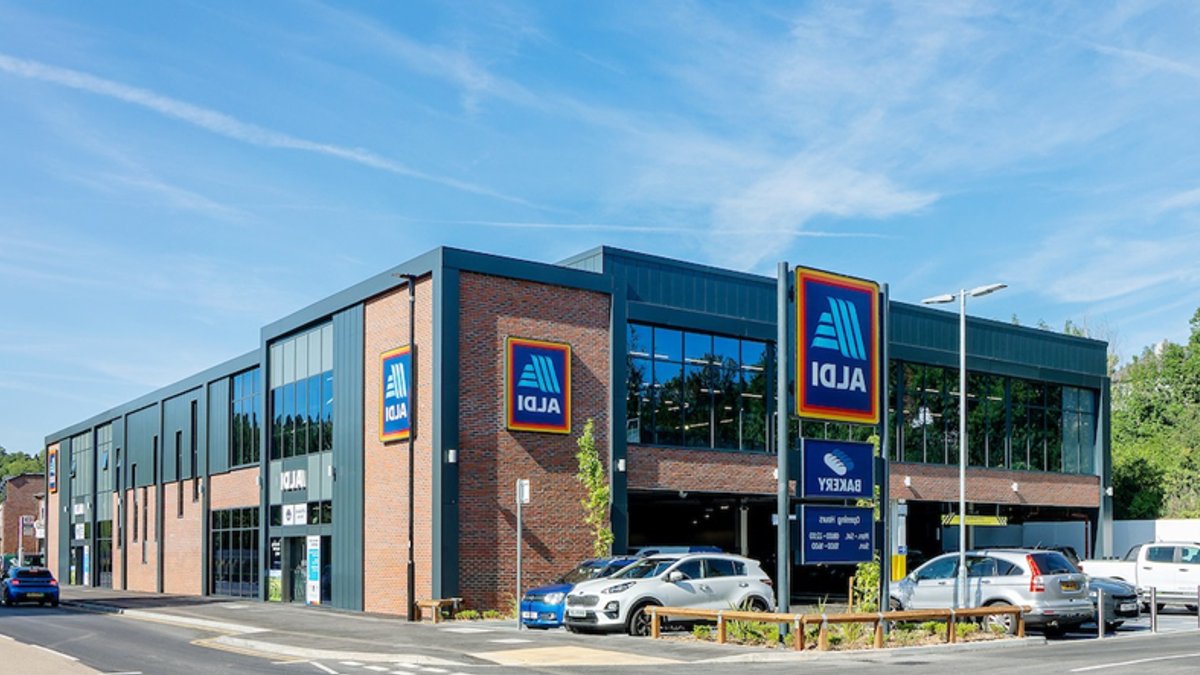
Aldi has announced that 25 UK outlets are slated for a £300m refurbishment programme, targeting sites in London, Liverpool, Aberdeen, Sunderland and Bedford, among others.
Scope of the refurbishment
The upgrades will differ by outlet. Some stores will receive larger bakery sections, while others get refreshed health‑and‑beauty aisles and expanded fresh‑produce displays. Energy‑saving measures are also part of the plan, with new fridge doors that use natural refrigerants to cut carbon output.
According to the retailer, the work aims to create more floor space and simplify the shopping flow. “We’re continuing to invest in our existing stores because we know how important the in‑store experience is to customers,” said Jonathan Neale, managing director of national real estate.
He added that the changes are “an important part of how we’re investing in the communities we serve.” The language suggests a focus on local impact, though the details remain limited.
Geographic spread
- Cornhill Shopping Arcade, Aberdeen
- Ringtail Retail Park, Burscough
The list shows a mix of urban centres and smaller towns, reflecting the chain’s broad footprint across the country.
In practice, shoppers at these locations can expect wider aisles and clearer signage, which may reduce the time spent moving through the store. For employees, the newer equipment could mean lower maintenance demands and a quieter working environment.
Future expansion plans
Separately, the discounter is allocating £370m to open roughly 40 new UK outlets in 2026. That investment highlights a dual strategy of expanding reach while modernising the existing network.
One odd detail in the announcement was the phrase “more space, improve key areas,” which reads a bit like a draft note that slipped through editing.
Overall, the refurbishment effort aligns with broader retail trends toward efficiency and enhanced customer experience.
Related: Packaging charges double for retailers
Only time will tell how much footfall will rise as a result.
Additional dimensions of the upgrade programme
Beyond the headline improvements, the plan specifies that each participating store will receive a tailored set of enhancements based on its current layout and customer traffic patterns. The emphasis on bakery, health‑and‑beauty, and fresh‑food zones means that the retailer is targeting the product categories that traditionally generate the highest per‑visit spend. By expanding these sections, Aldi aims to give shoppers a broader choice while preserving the streamlined, value‑focused feel that defines its brand.
The introduction of energy‑efficient fridge doors is coupled with the use of natural refrigerants—a technology that replaces synthetic gases with substances that have a much lower global‑warming potential. This shift not only reduces the carbon footprint of each outlet but also positions Aldi alongside other major grocers that are committing to greener refrigeration solutions. The retailer has highlighted that the new doors are part of a broader push toward lower‑energy equipment throughout the stores.
In the context of community investment, the quote from the national real‑estate director shows a strategic narrative: modernising existing stores is presented as a way of giving back to the neighborhoods that support them. By creating “more space” and “improving key areas,” Aldi signals that it is attentive to the practical needs of shoppers—such as easier navigation, better product visibility, and reduced checkout queues—while also delivering a refreshed aesthetic that can boost local morale.
The geographic composition of the selected sites illustrates the chain’s intention to balance high‑density metropolitan markets with regional and semi‑rural locations. Including sites in the capital city alongside outlets in places like Stirling, Paisley and Lewes demonstrates a commitment to a uniformly high standard of store experience, regardless of the size of the surrounding population.
From an operational standpoint, the upgraded refrigeration technology is expected to lower electricity consumption, which can translate into reduced operating costs for each store. Lower energy bills, combined with the anticipated decrease in maintenance calls due to newer, more reliable equipment, may free up resources that can be redirected toward staff training or further store‑level improvements.
Employees stand to benefit from the quieter environment created by the new appliances, as well as from the reconfigured layout that can streamline stocking and replenishment activities. A more spacious floor plan can also improve safety by reducing bottlenecks during peak shopping periods, which is an important consideration for both staff welfare and regulatory compliance.
The parallel capital allocation for new store openings signals that Aldi is pursuing a two‑track growth model. While the refurbishment programme concentrates on extracting additional value from its current estate, the separate funding for fresh locations points to an ambition to capture market share in areas where the brand is not yet present. This balanced approach allows the company to reinforce its existing customer base while simultaneously reaching new shoppers.
Overall, the combination of targeted product‑category upgrades, sustainability‑focused technology, and a clear community‑investment narrative positions the refurbishment programme as a full effort to modernise Aldi’s UK footprint. The initiative reflects a broader industry movement toward creating stores that are both environmentally responsible and finely tuned to the evolving expectations of today’s consumers.

Packaging charges double for retailers


