British Fashion Council Chair Pemsel Resigns
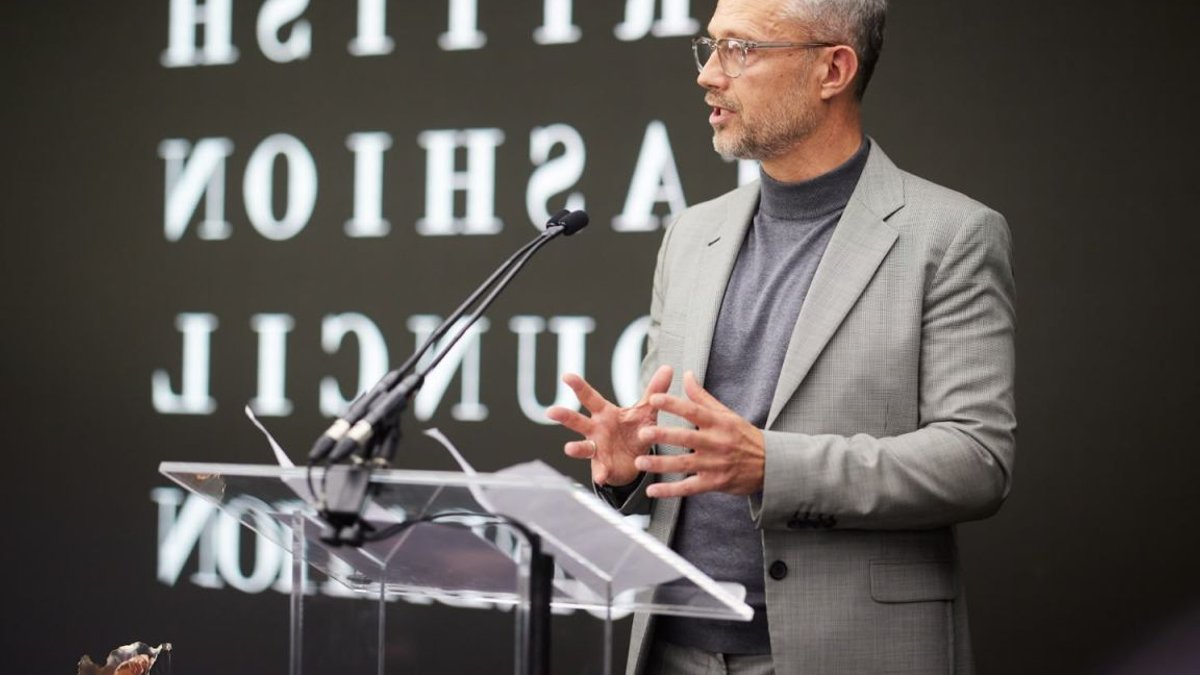
British fashion’s governing body announced that its chair, David Pemsel, will leave his post after a decade on the executive board and four years at the helm.
Pemsel’s tenure marked by growth
During his chairmanship the council worked closely with senior leaders to steer a strategic shift that aimed to boost the sector’s global standing. The organization reported revenue of £14 million for the 2024‑25 fiscal year, a figure that reflects steady commercial progress.
In parallel, the BFC foundation raised £7.2 million, channeling funds into emerging designers and educational programmes. The council also secured a multi‑year, multi‑million‑pound commitment from the Department for Digital, Culture, Media and Sport, reinforcing public‑sector support for the industry.
Last year, Pemsel oversaw the appointment of Laura Weir as chief executive, a move that coincided with the rollout of the first four‑year plan dubbed “BFC 2030: Access, Creativity, Growth.” The blueprint outlines targets for talent development, market expansion and financial sustainability.
Related: McDonald’s tech chief on Ready on Arrival experience
Transition to new leadership
In a statement, chief executive Weir praised Pemsel, saying, “David has been an exceptional Chair and an unwavering champion of British fashion. His leadership has helped strengthen the British Fashion Council as an organisation, creating the stability, governance and long‑term foundations that enable us to deliver our ambitions for the industry.”
Pemsel responded, “It has been an immense privilege to serve the British Fashion Council for the past ten years and as Chair over the last four. British fashion is one of the UK’s most important creative industries, defined by extraordinary talent, innovation and entrepreneurial spirit.” He added that the council is “entering its next chapter from a position of real strength.”
He also expressed confidence in the incoming team, noting, “I have every confidence in Laura Weir, the Board and the outstanding team at the British Fashion Council as they continue to deliver their ambitious vision for the future of British fashion.”
The departure comes as the council prepares to implement its 2030 strategy, which emphasizes wider access for designers and stronger commercial pathways. The plan also calls for deeper collaboration with international buyers and media partners, aiming to keep British collections prominent on global runways.
Related: New study ties onboarding to driver trust
Industry observers note that steady governance often translates into better funding prospects and more reliable event scheduling, factors that can affect everything from runway shows to retail partnerships. When a sector’s leadership is clear and consistent, investors and sponsors tend to feel more secure, which can lead to increased capital flow.
With Weir already in place, the board expects a smooth handover. The council’s next steps include finalising the 2030 financial model, expanding mentorship schemes, and leveraging the recent government investment to enhance digital showcase platforms.
As the British Fashion Council moves forward, its focus remains on nurturing new talent while preserving the heritage that has made the nation a fashion hub. The organization’s upcoming calendar lists several major events, including London Fashion Week, which will serve as a showcase for the next generation of designers.

McDonald's tech chief on Ready on Arrival experience


