Convenience Stores See Surge in Sour Sales
7-Eleven noted that shoppers are drawn to sour candy for its bold taste, sensory excitement and element of surprise, according to a recent company statement.
Sally Lyons Wyatt, global executive vice president and chief advisor for consumer goods and foodservice insights at Circana, described sour as a mature trend with active pockets of growth and ongoing reinvention.
Data from Circana show that total sour food and beverage sales grew 10.8% in dollar terms and 6.9% by units for the 52 weeks ending Aug. 9.
Within convenience stores, sour-related dollar sales rose 5.5%, while unit volume increased 1.5% over the same period.
Non-chocolate candy remains the dominant sour category, representing roughly 64% of sour dollar sales in c-stores, followed by energy drinks.
Wyatt emphasized that the immediacy of consumption in convenience outlets makes sour an especially relevant flavor segment.
Top-performing sour products
Not every sour offering is thriving; some gummy varieties have slipped, while newer items such as sour black cherry are gaining shelf space.
Wawa’s Shark Splash Lemonade incorporates a tart-cherry syrup, providing a sour edge that can also be mixed into custom beverages, research manager Emily Murawski of Datassential explained.
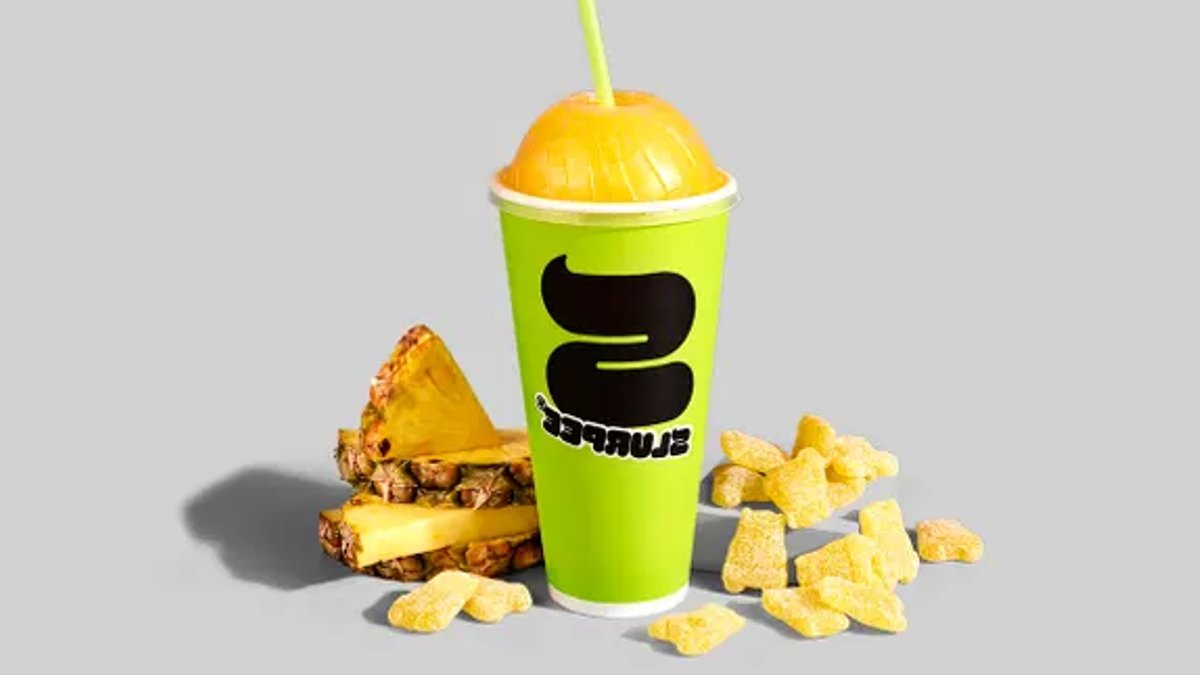
7-Eleven highlighted that Slurpee drinks serve as a playful platform for sour innovation, citing the popularity of 7-Select Sour Neon Gummi Worms and freeze-dried sour candy.
Wyatt added that consumers respond positively to new flavor combinations, heightened intensity, and unexpected formats.
Compared with earlier spikes in spicy snacks, the sour surge reflects a broader shift toward flavor experimentation that extends beyond candy into drinks and desserts.
Building a balanced sour assortment
Wyatt proposes organizing sour items into three roles: Core, Growth, and Discovery.
Core items keep proven formats like assorted sour fruit, sour-then-sweet, watermelon and blue-raspberry on the shelves.
Growth focuses on emerging winners such as black-cherry, intense sour, and crossover energy-drink flavors.
Discovery reserves space for limited editions, spicy-sour, chamoy, pickle, tropical, and cross-category innovations.
Murawski sees ample room for reimagining sour in desserts and non-alcoholic drinks, mentioning citrusy margarita notes that could appear in pies, cookies, ice cream or shakes.
Key lime is another flavor Murawski predicts could become a top-seller.
She described sour-as-flavor trends as “super approachable,” turning familiar items into unexpected formats.
Wyatt suggested pairing candy and beverage flavors that share a family, such as black-cherry or blue-raspberry, to encourage cross-category purchases.
Hybrid or layered flavors, like sour combined with spice, are gaining traction among shoppers.
Merchandising tactics and future outlook
Wyatt noted that c-stores can excel at cross-category experimentation thanks to compact footprints and established candy-and-beverage assortments.
Simple signage labeling “sweet,” “sour” or “extreme,” along with secondary displays that group complementary items, can make flavor connections visible.

U.S. convenience giants lag in lunchtime sales despite food upgrades


